On this page
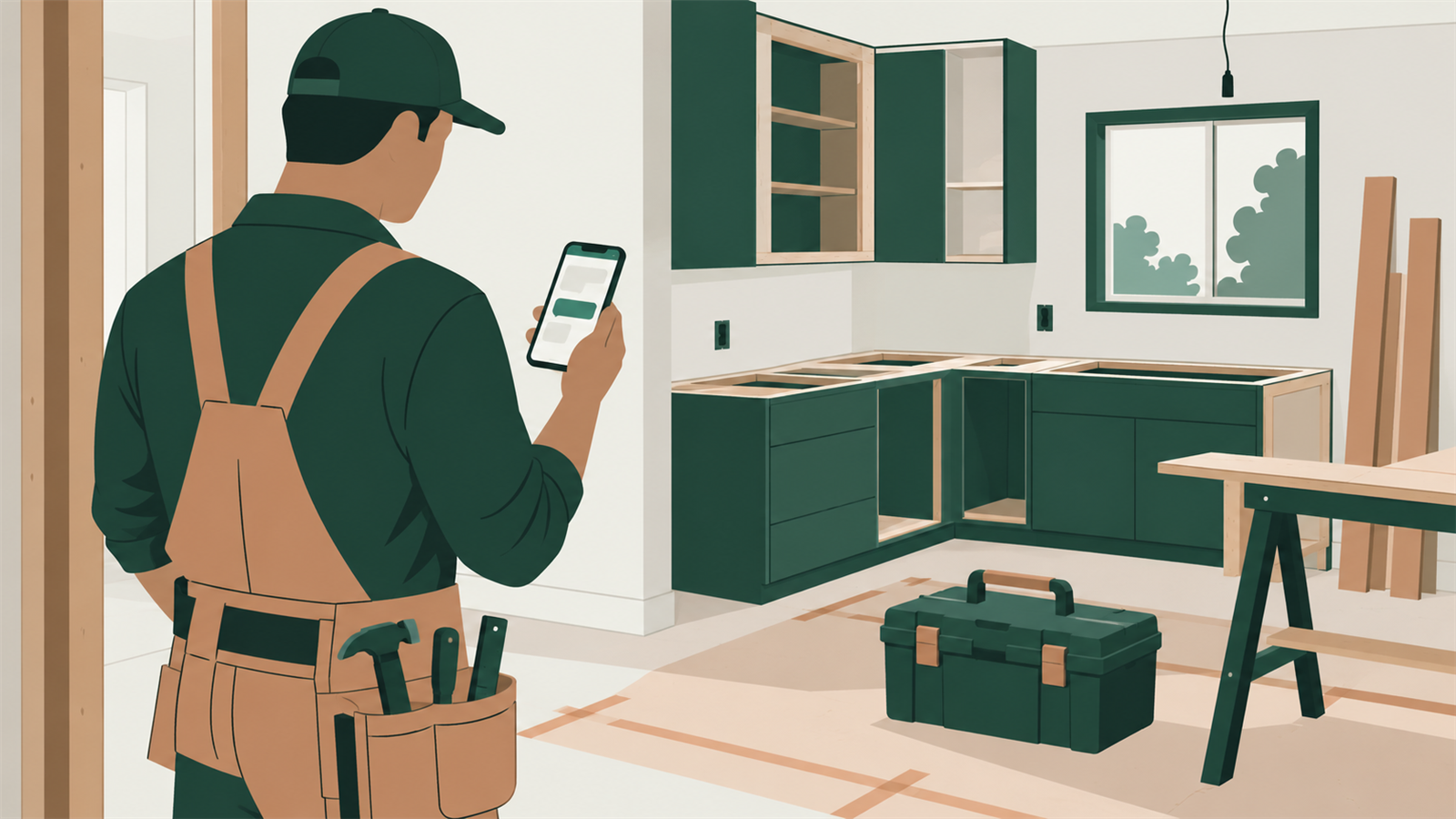
What should you check before asking a client for payment?
First, make sure you are asking for a payment the client agreed to. If you never settled whether work for a friend or relative was paid, start with that conversation instead of presenting an unexpected invoice as overdue.
For an agreed invoice, check four things:
- Recipient: Did you send it to the person who pays, or only the person who booked the work?
- Balance: Does the amount account for deposits, partial payments and agreed changes?
- Due date: Does it match the payment arrangement, including any agreed milestone?
- Questions: Has the client raised an issue about the work or a line item that needs an answer?
When you first send the invoice, make the request part of the handover. Say which job it covers, the balance and the due date. At the end of a repair, for example: “That's the repair complete. The balance is $240, due on October 20. I'll send the invoice now with the payment details.”
If the invoice itself needs preparing or sending, use how to send an invoice.
What should you do if the client hasn't opened the invoice?
Check the address and resend the invoice in the existing conversation. Ask the client to confirm the correct billing contact if needed. “I never got it” is a reason to remove a delivery obstacle, not to argue about their inbox.
If your tool records an opening, use that information to choose your next step. An opening alone does not establish who approved the invoice, whether they understood it, or when they will pay. Avoid “I know you've seen this, so why haven't you paid?”

How do you politely ask a client for payment?
Use the invoice number, remaining balance, due date and a clear way to pay. One request is enough: pay by the agreed date, confirm receipt, or answer a specific billing question. Choose the request that fits the stage.
Use “The balance is due on October 20” instead of “Whenever you get a chance.” Replace “Just following up” with the invoice number. Leave out “Sorry to bother you” and “As per my last email.” You can be warm without making the payment sound optional.
If the client is a friend, separate the relationship from the work: “I enjoyed working on this with you. As agreed, the project fee is $600, due on October 20. Here's the invoice.” If there was no agreement, ask “Before I do the next piece of work, can we agree on the fee and payment date?” Set expectations before doing more work.
What should you say before an invoice is due?
Send a brief heads-up a few days before the agreed date when it would help the client plan. This is a suggested timing, not a requirement. The invoice is still on time: your message should sound friendly and carry no pressure to pay early.
Mention the date rather than only “Friday,” especially if the client may read the message later. Keep the same invoice reference so they can find the original. For a company, this can also be a useful point to ask whether approval paperwork is complete.
The message should help them act, not ask them to explain why they have not paid before the deadline. If you already know the invoice is approved for the agreed date, there may be nothing else to ask.
What should you say when payment is due today?
State that payment is due today. The tone can be plain and direct without sounding irritated. Keep the balance current and put the payment link in the message so the client does not have to search an old thread.
If they say payment is already on its way, thank them and note the expected arrival rather than sending the same request again. If they have a question, answer that question. A due-date reminder should make the next action easy, not turn into a list of possible consequences.

- 01Before the due date
Make the upcoming payment easy
- 02On the due date
Request the agreed payment
- 03After the due date
Move to the overdue workflow
| Stage | What to ask | Expected firmness | Example wording |
|---|---|---|---|
| Before the due date | Make the upcoming payment easy | Friendly; no pressure | “A quick heads-up that the balance is due on October 20.” |
| On the due date | Request the agreed payment | Plain and direct | “The remaining balance is due today. You can pay here.” |
| After the due date | Move to the overdue workflow | Direct and factual | “Could you confirm the date you expect to pay?” |
After the due date, use the scripts and follow-up sequence in past due invoice.
What should a payment request by text or WhatsApp include?
Use a channel you already use with that client. Name yourself and the job, give the invoice reference and balance, then include the due date and payment link. Keep the message short enough to understand without opening the whole conversation.
For an upcoming reminder, change “is due today” to “is due on October 20.” If the reply needs a detailed explanation, move that discussion to email and include the invoice. Avoid duplicating the same reminder by text, email and phone at once; choose the channel that fits the relationship and record the response.
How do you ask for payment over the phone?
Introduce yourself, identify the job and invoice, and give the balance and due date. Then ask one question and let the client answer. Call to resolve a specific uncertainty, such as the billing contact or payment process, rather than to repeat the entire email aloud.
If the invoice has reached the wrong person, ask who handles it. If the client gives a vague answer, ask “What date should I note for payment?” Read the date back and confirm it by email. If the client raises a disputed item, write down which item and what they need explained instead of treating the call as a refusal to pay.
Who should you contact to confirm accounts payable received the invoice?
For a small agency or company, ask your project contact for the billing address and approver when you send the invoice. Send accounts payable the invoice reference, project name and any purchase order reference the client requested. Ask whether anything is missing and when payment is scheduled.
Ask what “it's with accounts” means: received, approved, or scheduled? For an individual customer, address the person who agreed to pay. A wedding planner, tenant or family member involved in the job is not automatically your billing contact.
How should you adapt the request to your trade and client?
Keep the amount, date and payment method consistent. Change the context so the recipient recognizes what they are paying for. These are illustrative scenarios, not universal rules about when each trade gets paid.
Contractors and tradespeople: identify the completed milestone
Write to the homeowner or agreed business contact. Name the stage and remaining amount. Tie any next-stage scheduling to the arrangement you already made, rather than introducing a new condition in the reminder.
Cleaners, lawn care and maintenance: name the service period
For a regular household client, list the visits or month. For an office client, use the billing contact. A predictable request can stay short.
Tutors and coaches: write to the paying parent
Name the student and sessions when the parent handles payment. Use the lesson or monthly payment date already agreed.
Freelancers and designers: connect the request to the project
For an agency, confirm the approver and payment run. Mention payment before final handover only when that is your existing arrangement.
Photographers and event vendors: use the agreed balance date
Send the request to the contracted payer. If the balance is due before the event, remind them of that date without presenting it as a rule for all bookings.
Repair businesses: explain the completed work and total
At pickup or completion, identify the work and amount. For California automotive repair documentation, the official reference is the Bureau of Automotive Repair's Write It Right guide.

How should you respond when the client asks for more time?
Ask for a specific proposed date. If you agree, confirm the amount, new date and any agreed payment split in writing. If you do not agree, calmly restate the current date. A request to move a deadline and an agreed change are different things.
For a wedding client requesting a change before the event, spell out what you have agreed rather than replying “that's fine” without a date. Fee policies and terms belong in how to charge late fees on invoices.
What should you record after a payment call?
Note the invoice, remaining balance, contact, date of the conversation, questions raised and any promised payment date. Send a brief confirmation: “Thanks for speaking today. You confirmed payment of the $1,250 balance on invoice #1042 for October 20.” If you agreed a revised date, say so explicitly.
Keep that confirmation with the invoice thread so your next message reflects the latest conversation. Record a proposed date as proposed until you have agreed it. This avoids sending a reminder that contradicts what you just discussed.